


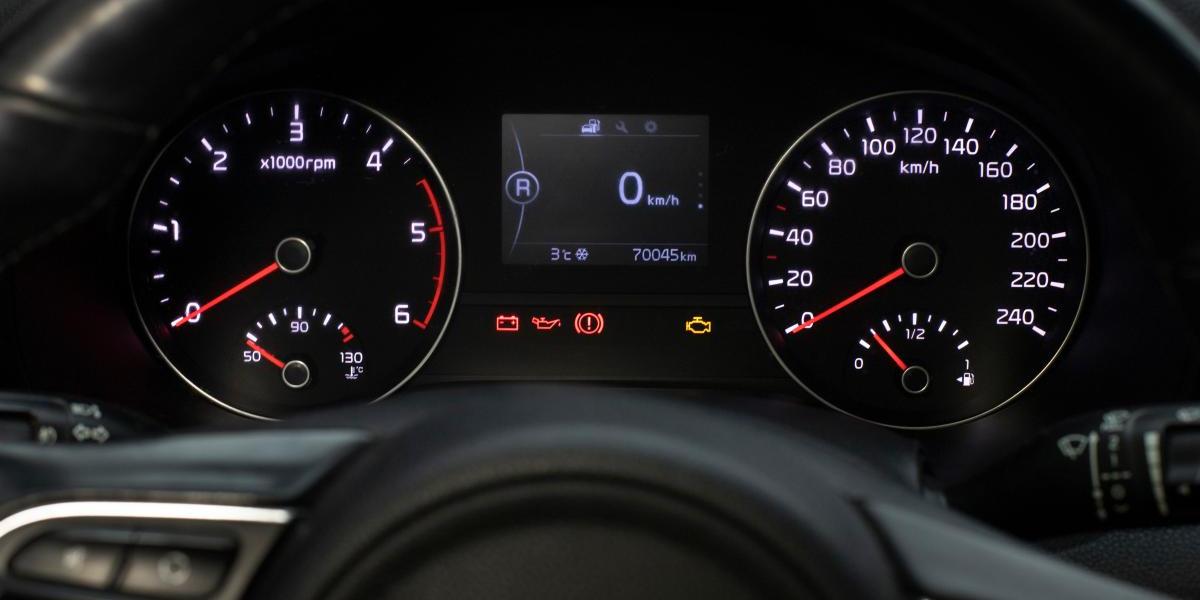
You’re driving home. Everything feels normal. Then suddenly — a small light turns on in your dashboard.
It’s yellow. Or worse, red.
You squint at it. Is that a teapot? A horseshoe? An engine?
Because there are so many symbols on the dashboard, and the icons on some cars are not entirely consistent, most drivers can't understand what the symbols mean. Since they haven't encountered any problems, they don't pay much attention, until an unexpected symbol appears. Then the pressure suddenly rises: Should I pull over? Should I call a tow truck?
A warning light on your car's dashboard can indicate everything from minor issues with your air filter to catastrophic damage to your engine. In this guide, we'll cover the basics of what most warning lights mean, which ones require immediate attention, and which need to be looked at soon. We'll also discuss the impact of certain warning lights—like the frequently-abused tire pressure light—on your gas mileage and the long-term health and cost of your ride.
Why Dashboard Warning Lights Matter
Modern cars are equipped with numerous sensors designed to catch even minor problems before they become major issues. The lights are part of a network of on-board computerized systems called the On-Board Diagnostics (OBD) system that have evolved in an effort to reduce vehicle emissions while also improving road safety.
The U.S. Department of Transportation’s National Highway Traffic Safety Administration (NHTSA) reports the modern safety features and On-Board Diagnostics system incorporated into today’s vehicles are highly effective in reducing preventable mechanical failures when addressed. (Source)
Ignoring warning lights on your car's dashboard can allow minor issues that could be resolved on your own to develop into costly major repairs or even accidents.
🔴 Red Dashboard Warning Lights (Stop Immediately)
Red typically indicates a very urgent or safety-related issue. Do not continue driving unless you have sufficient experience to confirm the situation is safe.
1. Engine Temperature Warning Light
(Symbol: Thermometer over waves)

This indicates your engine is overheating.
Possible causes:
Low coolant
Cooling system leak
Failed water pump
When the engine overheats, safely pull over and turn off the engine to allow it to cool down. Inspect the cause of the malfunction. Continuing to run the engine while overheating can result in severe damage.
2. Oil Pressure Warning Light
(Symbol: Oil can dripping)

This does not mean “you’re due for an oil change.”
It means oil pressure is dangerously low.
Low oil pressure can result in catastrophic engine damage in as little as minutes. Make an emergency stop and check your oil level.
3. Brake System Warning Light
(Symbol: Circle with exclamation mark or “BRAKE”)

This may indicate:
Parking brake engaged
Low brake fluid
Brake system malfunction
If the light does not go out when you release the parking brake, you will need to have it checked.
4. Battery Warning Light
(Symbol: Car battery)

This light is on due to a Charging System Problem, usually related to the alternator. The car may continue to run for a little while but the battery will not be recharged properly.
🟡 Yellow / Orange Dashboard Warning Lights (Check Soon)
This light and its associated notification are letting you know that you need to take care of something. You might not need to pull over right now.
5. Check Engine Light
(Symbol: Engine outline)

This is the most searched dashboard light in the U.S.
It can be triggered by:
Loose gas cap
Oxygen sensor failure
Catalytic converter issues
Ignition system problems
According to the U.S. Environmental Protection Agency (EPA), unresolved engine or emissions issues in your vehicle can negatively impact your fuel economy and emissions. (Source)
A steady light requires a diagnostic service appointment. A flashing light requires immediate attention.
6. Tire Pressure Monitoring System (TPMS) Light
(Symbol: Horseshoe shape with exclamation mark)

This light indicates that one or more tires are underinflated.
This is more important than many drivers realize.
According to the U.S. Department of Energy (DOE):
Underinflated tires can cause you to lose about 0.3% in fuel economy for every 1 PSI (pound per square inch) that the pressure is below the recommended levels for all four tires combined. (Source)
Properly inflated tires can improve gas mileage by up to 3.3%
Underinflated tires were a focus of a report from the National Highway Traffic Safety Administration (NHTSA), citing it as a factor in tire failures and a crash hazard. (Source)
Why Tire Pressure Impacts Fuel Efficiency
When tire pressure drops:
The tire’s contact patch widens
Rolling resistance increases
The engine must work harder to maintain speed
That means more fuel consumption.
One often overlooked factor in tire problems is tire pressure loss. The Consumer Reports notes that a tire without leaks will lose pressure at a rate of about 1 PSI each month. In colder months, the rate of leakage can be higher. (Source)
Most drivers won't notice the difference until they realize their car isn't getting the gas mileage it used to, or that it's not handling properly. They might even only realize it's time to inflate the tires when the TPMS light comes on.
A Practical Solution
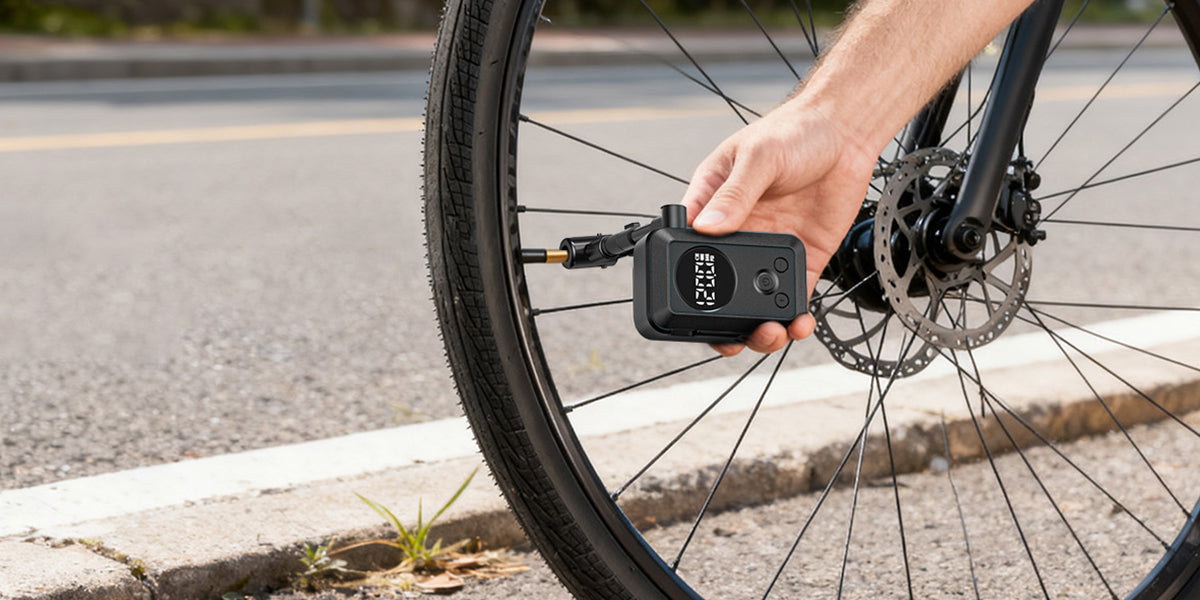
Can tires only be inflated in gas station air pumps, right? Wrong! It’s actually so much easier to just have your own portable inflator in the car.

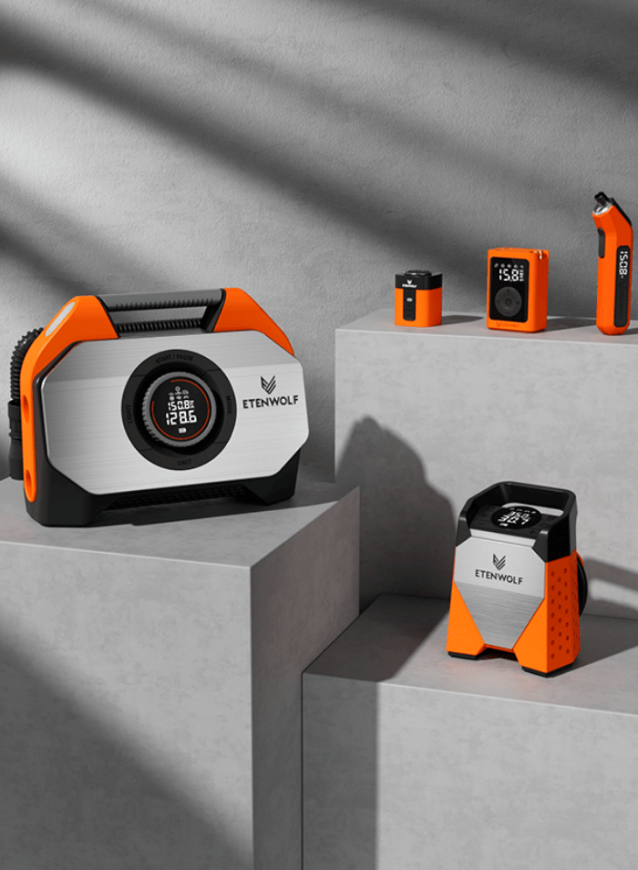
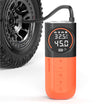
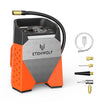
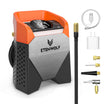
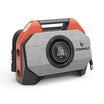
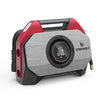
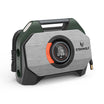
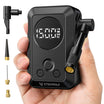
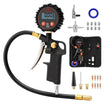
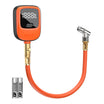
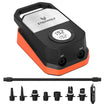
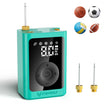
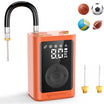
A compact option like the ETENWOLF S7 Tire Inflator allows drivers to:
Monitor PSI accurately
Inflate tires at home or on the road
Automatically stop at the preset pressure
Maintain consistent tire health year-round
Properly inflated tyres are one of the simplest ways to achieve better fuel efficiency, longer tyre life, and safer driving performance.

7. ABS Warning Light
(Symbol: “ABS” in a circle)

This indicates an issue with the Anti-Lock Braking System. Regular braking still works, but emergency braking assistance may be reduced.
8. Traction Control / Stability Control Light
(Symbol: Car with skid marks)

If flashing, the system is actively preventing wheel slip.
If solid, the system may be disabled or malfunctioning.
9. Low Fuel Light
(Symbol: Gas pump)

Obvious — but running consistently on low fuel can strain your fuel pump.
🟢 Green / Blue Indicator Lights (Informational)
These lights typically indicate active systems, not problems.
Turn signals
High beams
Cruise control
Fog lights
Eco mode indicator
Which Dashboard Lights Affect Fuel Economy?
Not all warning lights impact fuel usage directly, but several do:
TPMS Light – Low tire pressure increases rolling resistance.
Check Engine Light – Engine or emissions faults can reduce combustion efficiency.
Engine Temperature Light – Overheating disrupts optimal engine operation.
Among these, tire pressure is the easiest and least expensive to correct.
Why Addressing Dashboard Lights Saves Money
According to DOE fuel economy studies, even a modest 3% improvement in efficiency can save drivers meaningful fuel costs annually depending on mileage driven.
More importantly, preventative maintenance reduces long-term repair costs.
An ETENWOLF Vortex S7 Heavy Duty Tire Inflator adjustment can prevent:
Uneven tire wear
Blowouts
Reduced fuel economy
Suspension strain
Dashboard lights are early warning systems — ignoring them is usually more expensive than fixing them.
Final Thoughts
Once you understand the meaning of the dashboard indicator lights, they won't seem so mysterious anymore, and you'll be able to handle them with greater ease.
Red means stop.
Yellow means investigate.
Green means system active.
Among them, the tire pressure light stands out — not because it’s dramatic, but because it quietly impacts both safety and fuel efficiency every single day.
Maintenance, checking and adjusting tire pressure with our ETENWOLF S7 tire pump is one of the easiest and most important measures for the proper maintenance of your vehicle. It not only extends the service life of the tires, but also contributes to a smooth and efficient drive, while saving you money.
Sometimes the simplest maintenance makes the biggest difference.
FAQs
What does the check engine light usually mean?
Reasons for this warning light include loose gas cap, faulty oxygen sensor or a bad catalytic converter. A diagnostic scan tool is recommended to determine if any trouble codes are stored.
Is it safe to drive with the tire pressure light on?
Short distances may be manageable, but drive for any length of time with under-inflated tyres, you may be at risk of being involved in a collision and your tyre performance will be compromised, which in turn will lead to poorer fuel economy.
How often should I check tire pressure?
At least once a month, and before long trips. In cold winters, weekly is recommended, as lower temperatures accelerate tire pressure drop.
Can underinflated tires reduce gas mileage?
Yes. The U.S. Department of Energy reports that under-inflated tires can decrease your gas mileage by about 0.3% for every 1 PSI loss.
Why does my dashboard light turn on in cold weather?
Air contracts in lower temperatures, reducing tire pressure and sometimes triggering TPMS lights.

Leave a comment
All comments are moderated before being published.
This site is protected by hCaptcha and the hCaptcha Privacy Policy and Terms of Service apply.